Do You Need a Greenwich Council Permit for Blackheath Removals?
If you are planning a move in Blackheath, one of the first practical questions is simple enough: Do You Need a Greenwich Council Permit for Blackheath Removals? In many cases, the answer depends less on the move itself and more on where the van will stop, how long it will be there, and whether the street is controlled parking. That is the bit people often miss. The move can be perfectly organised, the boxes can be ready, and then the van ends up circling for ten minutes because there is nowhere legal to load. Not ideal.
This guide explains when a permit may be needed, how parking and loading usually work in the Blackheath area, what to check before moving day, and how to reduce the risk of delays, fines, or last-minute stress. It also covers the practical side of moving in a real London neighbourhood, because let's face it, the streets do not always behave like a neat checklist.
Why Do You Need a Greenwich Council Permit for Blackheath Removals? Matters
The short version: because moving vans do not magically create legal parking space. In Blackheath, as in much of London, the street outside your home may be subject to parking controls, loading restrictions, residents-only bays, double yellow lines, single yellow restrictions, or time-limited loading windows. If your van is stopping on a controlled road, a permit or some other parking arrangement may be needed to avoid a penalty or a confrontation with a very determined enforcement officer.
This matters even more on removal day because the whole move depends on access. A delay of fifteen minutes can ripple through the entire schedule. The crew waits, the lift booking runs tight, the neighbours get irritated, and the sofa somehow becomes heavier. Strange how that happens.
It is also about safety and efficiency. A properly planned parking setup can reduce carrying distance, protect furniture, and lower the risk of dropped items, scratched walls, or back strain. If you are moving a bed, wardrobe, piano, or several bulky pieces, smart access planning is just as important as packing. For heavier items, many people also find it useful to read practical advice on moving heavy objects safely before the big day.
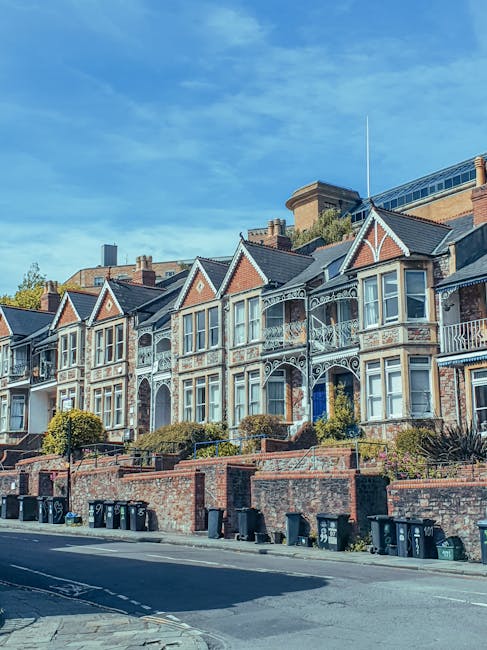
And there is a local reality to all of this. Streets around Blackheath can be narrow, busy, or awkward for larger vans, especially where on-street parking is already tight. If you are moving from a flat, a terrace, or a home with restricted frontage, the question is not just whether you need a permit; it is whether you have enough legal space to load without turning the street into a bottleneck.
How Do You Need a Greenwich Council Permit for Blackheath Removals? Works
That heading looks a little clunky, but the point is straightforward: the permit issue usually comes down to where the van will stop and how the local parking rules apply at that time. In most removal scenarios, there are a few common possibilities.
1. The van can use unrestricted parking
If your street has a legal place to stop without breaching restrictions, you may not need a permit at all. This is the easiest route. Still, you should check whether the space is genuinely available for the whole loading period. A bay that looks free at 8:00 in the morning can disappear by 8:20.
2. A loading exemption or short stop may be possible
Some streets allow limited stopping for loading and unloading, even where parking is otherwise restricted. The catch is that these rules are not a free pass. They often require the vehicle to be actively loading or unloading, and there can be time limits or location limits. If the van is parked there and nobody is moving items, that can become a problem fast.
3. A formal permit or parking dispensation may be needed
For some addresses, especially where the van must stand in a restricted bay, on a controlled street, or in a place that would otherwise be off-limits, a council-issued parking arrangement may be required. The exact process varies, so it is always wise to confirm details in advance rather than assuming removal-day common sense will be enough. Common sense and parking rules are not always friends.
4. You may need more than one arrangement
This is where people get caught out. You might need one solution for the van outside the property and another for a second vehicle, a lift, or a loading period at the destination. If your move spans different boroughs or different types of road restrictions, the access plan should cover both ends.
For tighter streets and van-size planning, a useful companion read is the Blackheath Park moving guide on parking, access and van size, which helps you think about the practical side before moving day arrives.
Key Benefits and Practical Advantages
Sorting parking properly may not feel glamorous, but it pays off in real ways. Here is what you gain when the access side is handled early.
- Less delay on moving day - the crew can get straight to work instead of hunting for a space.
- Lower risk of penalties - no one wants a parking ticket sitting on top of moving expenses.
- Shorter carry distances - which helps with heavy furniture, fragile items, and stairs.
- Better protection for your belongings - fewer handovers, fewer bumps, fewer chances for damage.
- Less stress for everyone involved - and there is already enough stress in a house move, to be fair.
There is another advantage people forget: permit planning gives you a more realistic quote. If a removal team knows the parking situation in advance, they can estimate time and vehicle access more accurately. That can matter whether you are booking a full house move, a flat move, or a smaller man and van job. If you are comparing services, the page on pricing and quotes can help you think through the moving budget alongside access costs.
Who This Is For and When It Makes Sense
This issue is most relevant if you are moving from or into a property where the van cannot simply pull up and sit there without restrictions. In practice, that often includes:
- People moving from flats or apartment blocks
- Homeowners on streets with controlled parking or narrow carriageways
- Students moving in or out with tight loading windows
- Office moves where vehicles need reliable access for several hours
- Anyone using a larger removal van rather than a very small vehicle
- Moves involving large furniture, a piano, or bulky storage items
If you are planning a small move with only a few boxes, access may be easier to manage. But once you add wardrobes, mattresses, appliances, or awkward staircases, the parking question becomes much more important. A move from a top-floor flat, for example, can be perfectly manageable with good planning and a sensible van position. Without that, everything feels slower and heavier than it should.
For those moving out of a compact property, flat removals in Blackheath often require a closer look at lift access, stairwells, and kerbside stopping. If your move is house-based, the dynamics are different but the access question still matters; see also house removals in Blackheath for the broader service context.
Step-by-Step Guidance
Here is a practical way to handle the permit and parking side without overcomplicating it.
- Check the exact address and road type
Look at whether the property sits on a controlled road, a permit zone, a red route-style restriction, or a street with limited loading space. Do not rely on memory. Streets change, signs differ, and sometimes a bay that looks harmless is not harmless at all. - Identify the move window
Moving at 9:00 a.m. is very different from moving at 2:00 p.m. Midday roads can be busier, parking may be tighter, and restrictions can kick in at specific times. - Measure the van need realistically
A small van might fit where a larger one cannot. If you are unsure, think about the volume of furniture and the number of trips you want to avoid. For vehicle planning, the page on removal van options in Blackheath is a useful starting point. - Confirm whether a permit, dispensation, or loading bay is needed
Do this early. If you leave it until the day before, choices shrink and stress rises. That is just how it goes. - Coordinate with your removal team
Tell them about access, stairs, lift use, and where the van can stop. Good movers will ask these questions anyway, and if they do not, that is a red flag. - Prepare the property for fast loading
Boxes should be ready, walkways clear, and fragile items grouped. The less time the van is waiting, the better. - Keep a backup plan
If the intended space is taken, what then? A fallback loading point or an alternative bay can save the day. A tiny bit of contingency planning goes a long way.
If you want a broader moving-day structure, this guide to a seamless move to your new home pairs nicely with the parking side of the job.
Expert Tips for Better Results
In our experience, the best moves are rarely the ones with the fanciest equipment. They are the ones where small details were handled early. Here are the habits that tend to make a difference.
- Book parking planning before packing is finished - that way the access plan fits the job, not the other way round.
- Use street photographs or a quick on-the-day check - the view from your front door can be more helpful than any vague guess.
- Group items by size and fragility - if loading is time-sensitive, the team can move efficiently without constant reshuffling.
- Leave a clear route from door to van - hallways, steps, and door thresholds all slow things down if cluttered.
- Protect the hardest-to-move items first - mattresses, sofas, mirrors, and electronics should not be an afterthought.
There is also a people side to it. A polite chat with neighbours about temporary loading can save you a lot of awkwardness, especially on quieter streets. You do not need to stage a community meeting. Just a quick heads-up if the van may partially block access for a short spell. Most people are reasonable when they know what is happening.
If your move includes awkward furniture, you may also find these pages useful: furniture removals in Blackheath, piano removals in Blackheath, and the advice article on the challenges of DIY piano moving.
Common Mistakes to Avoid
This is the part that saves money and irritation. A lot of permit trouble comes from the same few mistakes.
- Assuming a permit is not needed because the move is short - short moves can still involve restricted parking.
- Forgetting about the destination street - you may be fine at one address and blocked at the other.
- Booking the van before checking access - the wrong vehicle size can make a manageable job much harder.
- Leaving loading to the last minute - this usually creates a rush and a much longer stop.
- Ignoring building rules - some flats and managed properties have their own move procedures.
- Not telling the removal team about stairs or obstacles - that sounds small, but it changes the day.
One common oversight is the belief that a permit and a parking space are the same thing. They are not. A permit may allow legal parking, but you still need a suitable, available location. And if the bay is full when the van arrives, well, that is the kind of thing that turns a neat plan into a scramble.
For clutter-heavy moves, it can help to read how to declutter like a pro before your big move and how to avoid bulky waste fees after a Blackheath clearout. Less stuff usually means less loading time, and that helps with parking pressure too.
Tools, Resources and Recommendations
You do not need a mountain of tools to get this right. You need the right few things, used properly.
- Phone notes or a moving checklist - simple, old-fashioned, effective.
- Photos of the street and frontage - useful when discussing access with the removal team.
- Basic measuring tape - to estimate doorway clearance, stair widths, and van loading space.
- Labels and marker pens - because a clearly marked box saves time during loading and unloading.
- Protective materials - blankets, covers, and wraps for items that need extra care.
For packing support, the pages on packing and boxes in Blackheath and innovative packing solutions for your next move are worth a look. If the move is time-sensitive, same-day removals in Blackheath may also be relevant, although the parking plan becomes even more important when the schedule is tight.
And if you simply want to understand the wider service picture, the services overview gives a cleaner starting point than jumping between random pages. That may sound basic, but there is comfort in a tidy plan.
Law, Compliance, Standards, or Best Practice
For this topic, the safest approach is to treat local parking and loading rules as something to verify rather than guess. Councils, controlled zones, and street markings can affect what is allowed. The exact requirements can vary by location, by time of day, and by the nature of the stop.
From a best-practice perspective, a responsible removal plan should include:
- Checking the street restrictions before booking the van
- Allowing time for legal loading and unloading
- Making sure the vehicle does not block unsafe access or emergency routes
- Keeping communication clear between customer, driver, and moving crew
- Planning for compliance at both the pickup and drop-off ends
There is also a health and safety angle. Manual handling, poor access, and rushed lifting can all increase the chance of injury or damage. That is why it is sensible to align the parking plan with wider moving safety practices. If you want a deeper look at handling technique, the kinetic lifting guide is a useful read.
A sensible mover also works within the company's own policies and procedures. If you want to know how an operation approaches safety and accountability, health and safety standards, insurance and safety information, and terms and conditions are all worth reviewing. That is not just paperwork. It tells you how seriously the business treats risk and responsibility.
Options, Methods, or Comparison Table
When people ask about permits, they are often really choosing between different access strategies. Here is a simple comparison.
| Option | Best for | Pros | Watch-outs |
|---|---|---|---|
| Unrestricted street parking | Quiet roads or streets with available legal parking | Simple, low friction, often cheapest | Spaces may not be available when needed |
| Loading-only stop | Short removals where active loading is possible | Efficient if timing is well managed | Time limits and strict enforcement can still apply |
| Formal parking permit or dispensation | Controlled roads or longer loading needs | More predictable access if approved | Needs planning and may involve lead time |
| Off-street or alternative loading point | Tight streets and high-traffic areas | Can reduce conflict with street restrictions | May increase carrying distance |
In plain English: the best option is usually the one that balances legality, access, and loading distance. If you can legally get the van close to the door, that is ideal. If not, you need a backup plan that keeps the move moving, literally.
Case Study or Real-World Example
Here is a realistic example based on the kind of move many Blackheath households face.
A family moves from a first-floor flat near a controlled parking street into a house a few miles away. They have a sofa, two beds, a dining table, boxes of books, and a freezer that needs careful handling. At first, they assume the van can just stop outside for twenty minutes. Then they notice the parking signs. A bit of checking later, it turns out a simple stop is not enough for the time they need.
So they adjust. They book the move for an earlier slot, clear the hallway the night before, and arrange legal loading space near the property. The removal team knows about the stairs, the freezer, and the sofa in advance. The van is positioned as close as possible without breaching restrictions, and the move takes a steady, manageable rhythm. No drama. A little sweat, yes. But no last-minute scramble.
That is really the point. A permit question, handled early, saves a lot more than it costs in attention. And if storage becomes part of the picture, perhaps because the move dates do not quite line up, storage in Blackheath can be a useful bridge while you get the rest sorted.
For a more item-specific example, the article on moving your bed and mattress and the guide to sofa storage protection both show how access, handling, and timing all work together. Small decisions. Big difference.
Practical Checklist
Use this before moving day. It is simple, but it covers the important bits.
- Confirm the pickup and drop-off addresses
- Check street signs and parking restrictions at both ends
- Decide whether a permit, dispensation, or loading bay is needed
- Choose a van size that suits the property access
- Tell the removal team about stairs, lifts, and tight entrances
- Measure large furniture, if needed, before the move
- Pack and label boxes clearly
- Clear walkways, doorways, and shared access areas
- Plan for delays, traffic, or a blocked parking space
- Keep your phone charged and available on the day
If your move is part of a busy student timetable, it is worth looking at student removals in Blackheath as well, because student moves often run on tight windows and limited parking patience. Not exactly a luxurious timeline, but very normal.
And if you need broader help with organising the move itself, this guide to comparing removals quotes can help you judge what is included before you book.
Conclusion
So, do you need a Greenwich Council permit for Blackheath removals? Sometimes yes, sometimes no, but the real answer is that you should never leave it to chance. The right approach is to check the parking rules at both ends, match the van size to the street, and make sure your moving plan fits the actual access conditions, not the hopeful version in your head.
When the permit and parking side is handled early, the whole move feels calmer. Fewer surprises. Less waiting around. Better protection for your furniture. And, honestly, a much better mood on the day.
If you want help planning the practical side of your move, take a look at the service pages, read through the relevant guides, and think about access before the first box is packed. That little bit of preparation can make a big difference.
Get a free quote today and see how much you can save.
Moving house is rarely anyone's favourite chore, but with the right plan in place, it becomes just another thing you handled well.
Frequently Asked Questions
Do I always need a Greenwich Council permit for a Blackheath removal van?
No. If your van can park legally without restrictions, you may not need one. The key is whether the street is controlled and whether the stop is allowed for loading.
Can I just use my own car to reserve a parking space?
That is risky and not something to rely on. Parking spaces are usually governed by local rules, and informal space-holding can cause problems. Check the street rules and plan properly instead.
What if the van only needs to stop for a few minutes?
A short stop can still be restricted. Some roads allow loading, but only under certain conditions. A brief stop is not automatically exempt, so it is worth checking in advance.
Does the permit issue matter more for flats than houses?
Often, yes, because flats tend to involve tighter access, more stairs, shared entrances, and less roadside space. But houses on narrow or controlled roads can have the same problem.
How far in advance should I check parking and permit needs?
As early as you can. Ideally, do it while booking the move, not the day before. That gives you time to adjust van size, moving time, or the loading plan.
What happens if the van cannot park near the property?
The move may still go ahead, but it could take longer and involve a longer carry distance. That is why it helps to have a fallback parking plan and to tell the removals team about access early.
Is a larger van always better for removals?
Not always. A bigger van can reduce trips, but it may be harder to park on some Blackheath streets. The best van is the one that fits the property access and the volume of items you are moving.
Do I need to mention stairs and lifts when discussing parking?
Yes. Parking and access go together. If the van is close but the stairs are steep, the loading time and effort still change. Good planning looks at the whole route from room to vehicle.
Are same-day removals harder to arrange with parking restrictions?
They can be, because there is less time to organise access. If you need a fast move, see whether the parking side can be simplified and whether the move window is realistic.
Can packing efficiently reduce the need for a permit?
It may not remove the permit issue, but it can reduce how long the van needs to stay in place. Faster loading means less pressure on restricted parking or loading windows.
What should I tell the removals team before the job starts?
Give them the exact address, any parking restrictions you know about, stair or lift details, access codes if relevant, and whether bulky items like sofas, beds, or appliances are included. The more they know, the smoother the day tends to be.
Where can I learn more about the company before booking?
You can review the service information, insurance details, safety policy, and company background pages to get a fuller picture before deciding.