Man with a Van in Blackheath for practical removals and transport

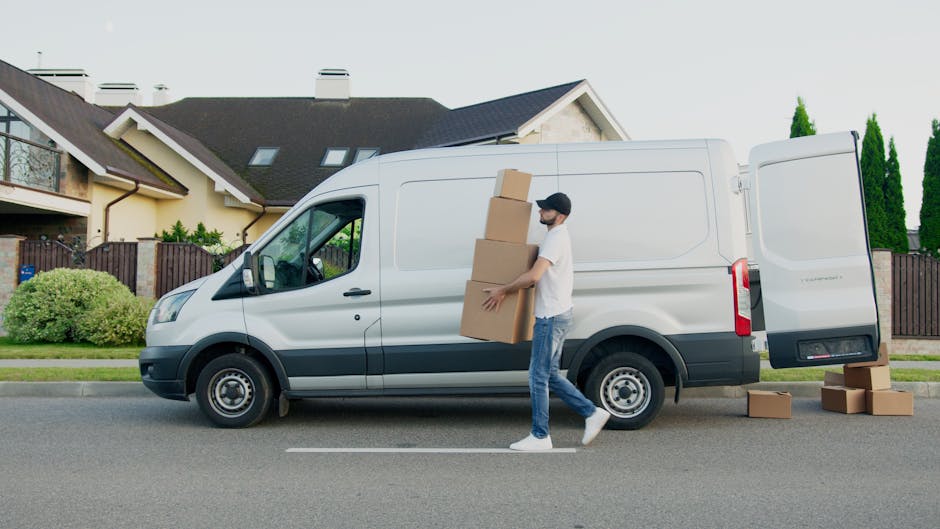
We provide man with a van services in Blackheath for customers who need a straightforward way to move furniture, boxed belongings, single items, or mixed loads without arranging a full-scale removal. The service is built around careful handling, sensible loading, and an efficient journey from collection to delivery. It suits everyday transport tasks as well as smaller moves where a larger vehicle would be unnecessary, and it can be adapted to homes, flats, offices, and storage runs.
Our work is centred on safe, organised removal transport. That means planning the load so items travel securely, separating fragile pieces from bulky ones, and using the vehicle space well. Where it helps, we can support dismantling and reassembly in a practical way, but the main aim remains clear: to move what you need with the least fuss. If you are comparing options, this service gives you a flexible middle ground between doing everything yourself and booking a full removal team.
For a clear price, the most useful starting point is a short description of what needs moving, where it is going, and any access issues that might affect loading or parking. If you already know the pieces involved, include them in your request for a quotation. It helps us understand whether the job is a single-item collection, a partial move, or a wider transport task. Tell us what needs to go, and we can discuss the most suitable way to handle it.
What our man and van service covers

The service can be used for many kinds of transport work, from shifting a few household items to moving a fuller load from one property to another. Typical tasks may include beds, wardrobes, desks, white goods, boxes, and garden or storage items that are ready for collection. Because the approach is flexible, it is often chosen when the job needs more than a standard car or small hire van, but less than a large removal operation. We aim to keep the process direct and manageable.
In practical terms, the service works best when the load can be described clearly. A few large pieces may need different handling from several smaller boxes, and delicate items may need extra wrapping or better positioning in the vehicle. If you are unsure how to group the items, a simple inventory helps us advise on the right approach. The same applies to access: narrow stairwells, basement rooms, upper floors, and limited parking all shape the way the work is planned.
Useful jobs for this service often include:
- single-item furniture transport
- part-load home moves
- small office relocations
- storage drop-offs and collections
- pickup and delivery of bulky purchased items
Home removals and smaller household moves

Many customers use a man with a van service for home removals that do not require a large lorry or a full crew. This might involve a studio flat, a one-bedroom property, student accommodation, or a partial household move where only selected items are being transferred. The vehicle and loading approach can be matched to the volume involved, making it a sensible option when you want support without paying for unnecessary capacity. The work is carried out with attention to furniture protection and sensible stacking.
Household items often need more than simple lifting. A mattress may need to be kept clean and dry, glass furniture may need padding, and awkward pieces may have to be moved at an angle through doors or stairways. We treat these small details as part of the service, not an afterthought. Where the job requires it, we can help with loading order so the first items out at the destination are not trapped under heavier pieces. That saves time and reduces handling.
For a home move, a quotation is easier to prepare when the main rooms or item types are listed. It is also useful to mention whether the move is upstairs or ground-floor, and whether the destination has parking close by. If packing is still underway, that is fine; just give a realistic view of the current state of the move. Accurate details lead to a better plan, and a better plan usually means fewer surprises on the day. Please request a quotation when you are ready.
Furniture, appliances and careful item handling
Transporting individual items is one of the most common reasons people look for a van service. Large furniture can be awkward to move alone, especially when there are tight corners, shared entrances, or fragile finishes to protect. We can handle items such as sofas, tables, chairs, chests of drawers, shelving, and similar goods that need secure placement during transit. The emphasis is on controlled handling rather than rushed lifting.
Some items benefit from simple preparation before collection. Loose contents should be removed from drawers where practical, doors should be secured, and removable shelves or legs should be separated if that makes the item safer to carry. This is not about overcomplicating the job; it is about reducing the chance of damage and making the loading process smoother. If an item is particularly heavy or difficult to move, a clear description allows the transport plan to be adjusted sensibly.
Where a move includes mixed furniture and household goods, it helps to think about priority pieces first. Fragile items, valuable items, and anything with a delicate surface should be identified early so they can be loaded and positioned appropriately. If you need one-off furniture pick-up or delivery support, it is worth saying so in the enquiry. Small transport jobs still need proper care, and the right handling makes a noticeable difference to the finish.
About Blackheath

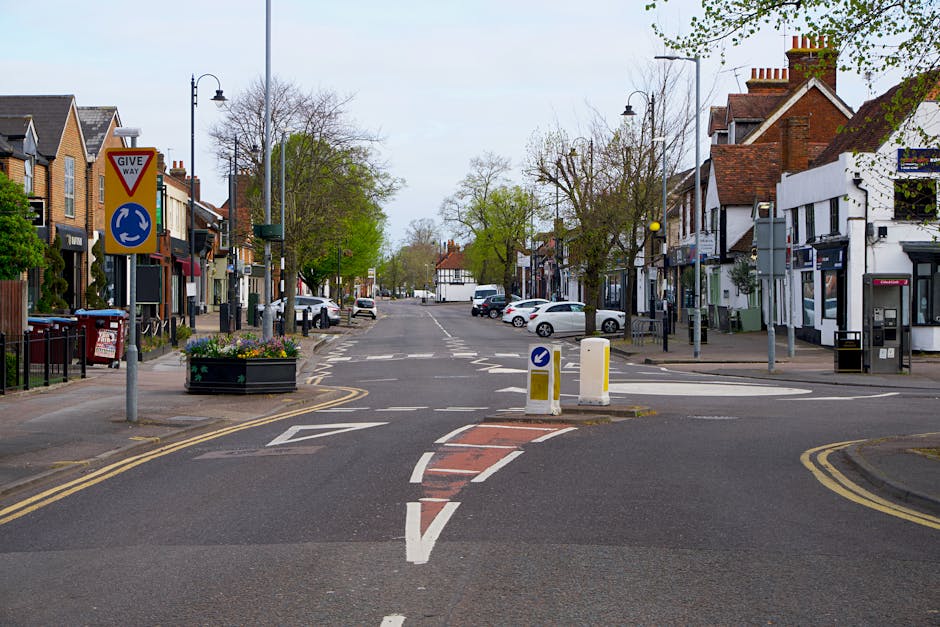
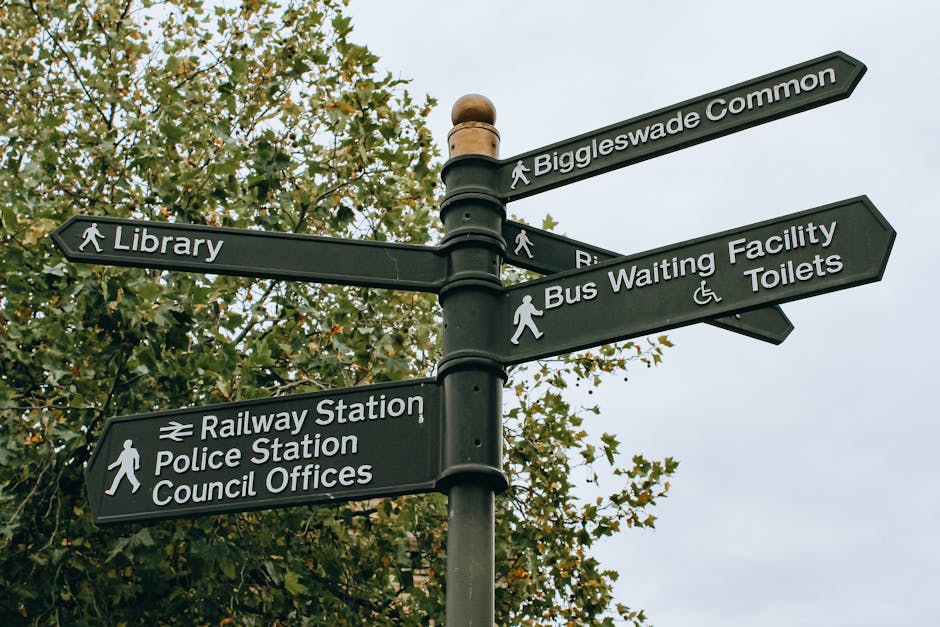
Blackheath is an area in southeast London best known for its large open heath, which has long formed the heart of the district and remains one of its defining landscape features. The word “heath†is not decorative here: the open space gives the place a recognisable sense of breadth unusual in inner London, with long views, walking routes, and a strong connection between the built-up edges and the open ground. The area sits within the historic boroughs of Greenwich and Lewisham, and its identity has developed around the junction of these wider local geographies rather than around one single street centre. Blackheath station helps anchor the district in everyday travel terms, while nearby Lewisham, Greenwich, and the village streets around the heath each contribute different layers to the local character. The common is also tied to a long historical memory; it has been associated with public gatherings, military encampments, and major civic events over many centuries. Around the perimeter, Georgian and later buildings give parts of the area a distinctive architectural rhythm, with terraces, villas, and commercial fronts that reflect periods of suburban growth and refinement. The village centre has a compact feel, with independent shops, cafés, and public houses lining streets that meet the open space. To the north, the route toward Greenwich Park and the Royal Borough brings the landscape closer to the Thames-side heritage of southeast London, while the wider Blackheath area still feels defined by the expanse of the heath itself. As a result, the place has a rare balance of open land, historic streets, and transport links, making it one of the more clearly identifiable parts of the city.
Please request a quotation when you are ready.
Office moves and business transport support

Commercial transport needs are often smaller and more time-sensitive than a full office relocation, which is why a van-based service can be a practical choice. We can help move desks, chairs, filing, boxed archives, monitors, and other work items that need to be transferred carefully and kept in order. This is useful for small offices, studios, shared workspaces, and businesses changing rooms or sites within the local area. The objective is to move working items without turning the process into a disruptive operation.
Office jobs benefit from a clear sequence. If you can separate what must move first, what can travel later, and what should not be touched, the work becomes easier to organise. Some commercial items may be heavy but straightforward, while others need extra caution because of cabling, glass, or sensitive surfaces. We keep the approach practical and steady, with an eye on the order of loading as well as the final destination. That helps reduce disruption for the people using the space.
When asking for a quotation, it is useful to mention whether the move is internal, local, or between separate sites, and whether there are lifts, stairs, or restricted access points. If there are deadlines around opening hours or handover times, include those in the request so the transport plan can be shaped around them. Clear timing information supports a smoother move, especially where business continuity matters and the items need to arrive in a usable condition.
Packing, loading and preparing items for transit
Packing is not always the headline service, but it strongly affects how safely a van move can be completed. Well-packed boxes stack more securely, wrapped furniture is easier to protect, and grouped items can be loaded in a way that reduces movement in transit. If you prefer to do your own packing, use sturdy boxes, avoid overfilling them, and keep heavier goods in smaller containers where possible. That makes lifting more manageable and helps the load sit better in the vehicle.
Loading order matters just as much. Larger, firmer pieces often form the base of the load, with lighter or more delicate items placed where they will not be crushed or shifted. Blankets, straps, and protective materials are useful when used sensibly, but the basic principle is still organisation. A vehicle can carry a lot more safely when the load is arranged with purpose rather than pushed in quickly. That is why a little preparation can improve both speed and protection.
If you would like help deciding how much packing support is needed, describe the mix of items rather than only the room count. Two small rooms can hold very different types of goods. It is better to explain whether the job is mostly boxed belongings, large furniture, or a mixture of both. You can also ask about packing and unpacking services if you want support beyond transport, but the main point remains the same: the better the load is prepared, the more straightforward the move becomes.
Price factors and quotation details
The cost of a man with a van job is usually shaped by several practical factors rather than by one simple rule. The amount of goods, the type of items, access at each address, the distance travelled, and any need for additional handling all influence the overall quotation. A small, easy collection will be different from a more involved move with stairs, parking restrictions, or multiple loading points. The fairest estimate comes from describing the job clearly at the outset.
It also helps to explain whether the job is one-way, return, or split across more than one stop. Some moves involve picking up from a storage unit and delivering to a home, while others may need a stop at a second address on the way. These details matter because they affect time and route planning. If you have a preferred date or a narrow collection window, include that too, as it can make a meaningful difference to the plan.
If you are comparing services, you may also want to review our pricing and quotes page for a clearer view of how estimates are handled. We try to keep the process simple and direct. Specific information usually leads to a more useful quotation than broad estimates, so a short written outline is often enough to start the conversation. When you are ready, request a quotation and we will take it from there.
Why customers choose this type of transport
People often choose a van-based removal service because it sits between self-transport and a larger removal operation. It offers a practical level of help without unnecessary complexity, which is especially useful for part-load moves, furniture collections, and straightforward local deliveries. The approach suits customers who want professional handling but do not need a full house removal structure. That balance makes it adaptable to many everyday situations.
Another advantage is flexibility. A man with a van can often be used for jobs that are too awkward to fit into a standard car yet too small to justify a large crew. That includes items bought online or from a retailer, pieces being moved out of storage, and household goods that need to be transferred with care. Because the service is built around transport rather than a fixed package, it can be tailored more closely to the actual load.
If your job involves wider home removals, you may find our house removals page useful alongside this one, particularly when comparing smaller and larger move types. The aim is to help you choose the right level of support, not to push you toward more service than you need. A simple enquiry is enough to begin, and a clear summary of the items will usually point to the most suitable option.
Planning access, timing and collection points
Good planning is less about paperwork and more about making the move work in the real world. Access points, parking, shared entrances, loading restrictions, and lift availability all shape how a transport job runs. If a van cannot stop close to the property, extra carrying time may be involved. If there are narrow staircases or multiple floors, the arrangement of the load may need more thought. These are normal practical considerations rather than complications.
Timing is also important when a job involves busy roads, building access rules, or a handover deadline. Letting us know when collection and delivery need to happen helps avoid unnecessary waiting. It also helps to mention whether anyone will be on site to assist with unlocking, confirming the items, or receiving the delivery. This does not need to be complicated: a short note often gives enough detail to work with.
For jobs that combine several stops, list them in order so the route can be understood easily. A move from one address to another is simpler than a job that includes a storage unit, a home, and a final drop-off, but both can be managed when the sequence is clear. If your requirements change after the first enquiry, let us know before the day if possible. That way the plan can be adjusted without guesswork.
Requesting a quotation for your move
To request a quotation, send a brief outline of the items, the collection point, the delivery point, and any access matters that might affect loading. A list of large pieces is useful, but even a short description can be enough to begin. If you are moving from a flat, storage unit, office, or house, say so directly. The more accurately the job is described, the easier it is to match the vehicle and the handling plan to the task.
You do not need to write a long message, but it helps to include anything that could affect the work: stairs, parking distance, heavy items, fragile items, dismantled furniture, or more than one stop. That information makes the quotation more useful and the transport easier to organise. If you are still deciding whether the job is small enough for a van-based move, ask anyway. We can usually tell from the description whether the service is a good fit.
For a straightforward next step, you can contact us to request a quotation and outline the move you need. If you already know the collection details, include them now and we will take a clear look at the best way to help. Please request a quotation when you are ready.