



Parking Suspensions and Loading Bays for Blackheath Moves
Posted on 30/07/2026
If you are moving in Blackheath, the van space outside your door can matter just as much as the boxes inside it. Parking Suspensions and Loading Bays for Blackheath Moves are not just admin details; they can decide whether your move feels calm and organised, or turns into a long, awkward carry across the street while everyone checks the clock. In a busy SE3 move, that little stretch of kerb can make a huge difference.
This guide breaks down what parking suspensions and loading bays actually mean in practice, why they matter for domestic and commercial removals, and how to plan them properly. We will also look at common mistakes, compliance points, and simple ways to keep moving day efficient without overcomplicating things. Truth be told, a bit of parking planning usually saves a lot of stress later.
Why Parking Suspensions and Loading Bays for Blackheath Moves Matters
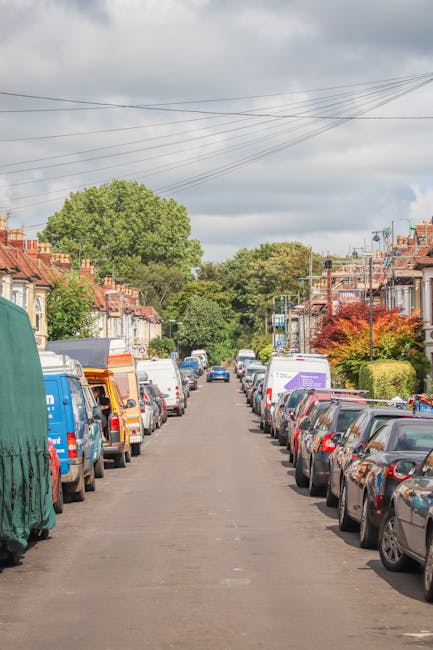
Moving day is always easier when the vehicle can park close to the property. That sounds obvious, but in Blackheath it is often the difference between a tidy, professional move and a frustrating one. Streets can be narrow, parking can be scarce, and even a short walk with a heavy wardrobe suddenly feels much longer when you are doing it repeatedly.
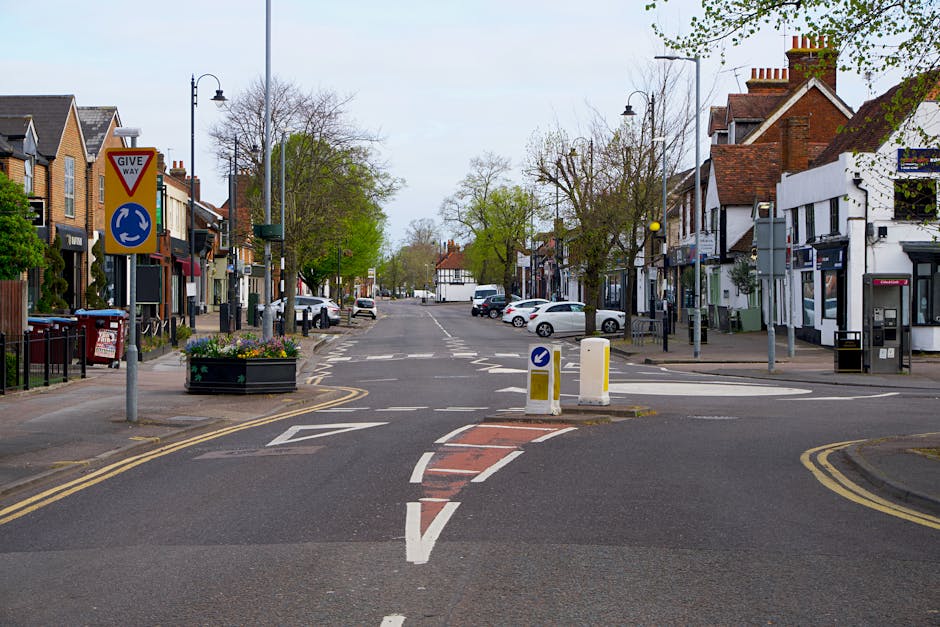
Parking suspensions are used to reserve part of a bay or section of road for a specific purpose, usually so a removal van can stop legally and safely outside a property. Loading bays, meanwhile, are designed for short-term loading and unloading. They may be ideal for quick access, but they are not always available for longer jobs or larger homes. That is where planning comes in.
For Blackheath moves, this matters even more because homes vary so much. A top-floor flat, a family house with a tight frontage, or an office with limited rear access will all create different parking needs. If you are already dealing with stairs, awkward furniture, or fragile items, poor vehicle access just adds another layer. And nobody wants to carry a sofa past three parked cars at eight in the morning. Not ideal.
For a broader sense of how access affects the whole moving process, it helps to look at the full range of moving services and practical access and van-size considerations for Blackheath. Those two topics sit right alongside parking control, because access planning is rarely a standalone job.
How Parking Suspensions and Loading Bays for Blackheath Moves Works
In plain English, the process is about making sure there is a legal space available when your removal van arrives. A parking suspension temporarily prevents normal parking in a marked bay or section of road. A loading bay allows short stays for loading and unloading, though the exact rules can vary by location and time. Some bays are more flexible than others, and some are tightly controlled. You have to check carefully. Always.
For a move, the usual aim is to secure a space as close as possible to the property entrance. That reduces carrying distance, protects furniture, and speeds up the job. It also reduces the chance of rushed handling, which matters if you are moving heavy pieces, awkward items, or anything with glass, mirrors, or sensitive finishes.
In practice, there are usually a few steps involved:
- Identify the access point and likely vehicle position.
- Check whether the road has controlled parking, loading restrictions, or limited waiting.
- Decide whether a suspension, loading bay, or another access arrangement is the best fit.
- Allow enough time for the van to park, load, and leave without pressure.
- Build a fallback plan in case the ideal spot is unavailable.
That fallback plan matters more than people think. On a busy street, another vehicle may already be sitting in the space you hoped to use. Or the loading bay may be occupied just when the van arrives. If that happens, the move should not grind to a halt. A good plan includes a second-best option, ideally one with minimal extra carrying distance.
If you are moving a flat or compact property, this topic becomes even more relevant. A shorter carry can save a surprising amount of time in a narrow stairwell. You may find it useful to read about flat removals in Blackheath and man and van support in Blackheath, since smaller jobs often depend on efficient kerbside access more than anything else.
Key Benefits and Practical Advantages
Done properly, parking suspension or loading bay planning gives you more than just a legal place to stop. It changes the rhythm of the whole day. The job feels smoother, safer, and less rushed. That may sound simple, but in moving work, simple usually means effective.
- Less carrying distance: fewer steps means less fatigue, less risk of damage, and less time spent going up and down stairs.
- Safer handling: moving items from a close parking point reduces the chance of bumps, drops, and strain injuries.
- Better time control: a reserved or suitable loading spot helps the team work to schedule rather than circling the block.
- Cleaner logistics: the van can load in a more organised way, especially with bulky furniture or multiple stops.
- Fewer neighbour issues: a planned access arrangement is less likely to block driveways or create awkward disputes.
There is also a financial angle, even if nobody loves to talk about it. Access problems can create delays, and delays can affect labour time. If a van spends 20 minutes hunting for a legal space, that is time lost before the first box even moves. In busy streets, that adds up. For a clearer picture of how access can influence overall cost, see how to compare removals quotes in Blackheath and the pricing and quotes information.
A good access plan also supports specialist moves. Heavy items, pianos, sofas, and beds are much easier to manage when the van is positioned sensibly. That is especially true if you are coordinating a furniture removal, a piano move, or even a full house removal.
Who This Is For and When It Makes Sense
Not every move needs a formal parking suspension, but many benefit from one. The bigger the van, the tighter the street, and the longer the carry, the more likely it is worth planning access properly. To be fair, even a simple move can become awkward if you ignore parking until the morning of the job.
This is especially useful for:
- People moving from top-floor flats or maisonettes.
- Families with bulky furniture, beds, and appliances.
- Students moving in or out of compact properties with limited street space.
- Office relocations where equipment needs quick, safe loading.
- Anyone moving from a street with tight parking controls or busy daytime traffic.
If you are a student, the practical challenge is often speed and simplicity rather than huge volume. A loading bay may be enough. If you are moving a family home, a parking suspension can be far more useful because there is usually more to load and more time needed. And if you are managing a business move, vehicle access becomes part of business continuity. That is why student removals, office removals, and general removal services all benefit from access planning in different ways.
One Blackheath move can be a quick two-bedroom job, the next a carefully timed full-day relocation. Same street, different reality. That is exactly why you should judge the access plan against the actual job, not just the postcode.
Step-by-Step Guidance
If you want a move to go well, treat parking as part of the moving plan, not an afterthought. A few decisions made early can spare you a lot of scrambling on moving day.
- Assess the property access. Look at the road width, bay markings, kerb space, and how far the van would be from the entrance.
- Estimate the load. A few boxes is not the same as a sofa, bed frame, washing machine, or piano. Bigger loads usually justify better parking control.
- Match the access method to the job. A loading bay may suit a smaller move. A parking suspension may be better for longer loading windows or larger items.
- Plan around timing. Early morning, school runs, and commuter periods can affect availability and traffic. Sometimes the best plan is simply the one with the least congestion.
- Prepare the loading route. Clear hallways, open gates if possible, and make sure door access is easy before the van arrives.
- Keep a contingency option. If the preferred bay is blocked, know where the next legal stop would be.
- Confirm the final schedule. The day before, check the moving time, vehicle size, and any special access notes again. People forget this bit more than they should.
For packing and prep, there are some helpful supporting reads too. Packing and boxes in Blackheath is useful if you are still organising items, and innovative packing solutions can help you reduce handling time at the kerb.
If you are dealing with awkward items, it is also worth thinking about moving technique before the van arrives. A little preparation around lifting and positioning can make a big difference. The practical advice in kinetic lifting techniques and moving heavy objects without help fits neatly into that part of the process.
Expert Tips for Better Results
Here is the part that tends to separate a smooth move from a merely adequate one. The basics matter, yes, but the small judgement calls matter too.
- Choose the closest legal space, not just the easiest-looking one. A quick stop in the wrong place can cause more trouble than walking an extra few metres to a proper bay.
- Think about the heaviest item first. If the sofa, mattress, or piano is the hardest thing to move, design the access around that item.
- Keep your loading route quiet and clear. A clear hallway and open front door can save more time than people expect.
- Use visual cues on the day. A cone, note, or simple verbal handover helps everyone understand where items go and where the van will stop.
- Do not assume loading bays work the same everywhere. Some allow limited loading only; others have time conditions. Check the actual setting, not just the sign at a glance.
A small but useful detail: if you are moving at the start of the day, try to have the first load ready before the van arrives. The street will be quieter, the team will settle into a rhythm faster, and you will avoid that slightly frazzled mid-morning scramble when someone is still looking for keys. We have all seen that scene.
And if storage is part of the move, because not everything is going straight into the new place, it helps to plan that side too. You might want to look at storage options in Blackheath and how to achieve a seamless move to your new home for the bigger picture.

Common Mistakes to Avoid
The most common mistake is leaving parking until the last minute. That usually leads to avoidable stress, rushed loading, and maybe a van parked farther away than it needed to be. Another classic error is underestimating the amount of space required for the actual move. A hatchback-sized mindset does not work when you are handling wardrobes and appliances.
- Leaving access planning too late. By moving day, choices are limited and everyone is under pressure.
- Assuming a loading bay is always available. It may already be in use, or the timing rules may be tighter than expected.
- Forgetting to measure larger items. If a sofa or bed needs a certain angle to come out, parking even slightly closer can matter.
- Blocking neighbours or driveways. This can create unnecessary tension and, in some cases, practical delays.
- Ignoring how stairs and parking interact. If the property has difficult stairs, a longer carry becomes much more tiring.
One thing people often forget is waste. A clear-out before the move can reduce the load, which in turn changes the parking need. Fewer items mean less time at the kerb, which can sometimes make a loading bay sufficient. That is why decluttering before the big move and avoiding bulky waste fees after a clearout are more relevant than they may first appear.
If you are doing a proper end-of-tenancy move, the last thing you want is a parking problem on top of everything else. A good way to avoid that slightly chaotic final hour is to pair access planning with proper cleaning and packing. Cleaning the house from top to bottom before you leave can sit alongside the move itself rather neatly, if you pace it right.
Tools, Resources and Recommendations
You do not need a truck full of specialist gear to manage parking and loading well, but a few simple tools help a lot. Small things, really. The kind you only miss when they are not there.
| Tool or Resource | What It Helps With | Why It Matters |
|---|---|---|
| Floor plan or rough access sketch | Planning the van position and walk route | Reduces confusion on moving day |
| Room labels and box markers | Faster loading and unloading | Speeds up handling at the kerb |
| Protective blankets and straps | Safer loading of furniture and fragile items | Limits damage during short carries |
| Clear timing schedule | Coordinating van arrival and access windows | Prevents last-minute rushes |
| Contingency parking plan | Backup if the preferred space is unavailable | Keeps the move moving |
For people who want everything handled in one place, it can also help to understand the difference between a man with a van in Blackheath, a removal van service, and full removals in Blackheath. Each service type tends to suit a different level of access complexity.
And if you are comparing options, the service overview at removal companies in Blackheath can help you think through what kind of support you really need. Sometimes that decision is as much about access as it is about volume.
Law, Compliance, Standards, or Best Practice
Parking suspensions and loading bays are not just convenience tools; they sit within local traffic and parking control rules. The important thing here is to respect the actual restrictions on the street and plan around them carefully. That means checking signage, time limits, and any permissions that may be needed for your specific road and date.
In London, different streets can fall under different local authority arrangements, and the practical rules may vary even within the same area. So while the principle is straightforward, the detail matters. If you are arranging a move in Blackheath, it is wise to check the relevant local process early rather than assuming a bay will just be free on the day. A little caution now avoids awkwardness later.
Best practice usually means:
- Making access decisions early enough to avoid last-minute pressure.
- Keeping the route legal and safe for both the crew and the public.
- Using the correct vehicle size for the road and load.
- Avoiding obstruction of pedestrians, emergency access, or neighbouring driveways.
- Following any posted loading rules exactly, even if the move feels urgent.
If you want a closer look at parking-related moving considerations, the article on whether a Greenwich council permit may be needed for Blackheath removals is worth reading. Likewise, if your move crosses into Lewisham-controlled streets or involves disposal at the same time, Lewisham council rules on skip hire and bulky waste can help frame the wider compliance picture.
One careful note: if you are ever unsure about the exact street conditions, ask early and keep a record of what was agreed. That small habit can save a lot of back-and-forth. Nothing glamorous about it, but it works.
Options, Methods, or Comparison Table
Not every move needs the same parking solution. The best choice depends on the street, the item mix, and how long the van needs to stay. Here is a simple comparison to make the decision easier.
| Option | Best For | Strengths | Watch Outs |
|---|---|---|---|
| Loading bay | Shorter, quicker moves with light to moderate loads | Convenient, often close to the property | May have strict time limits or availability issues |
| Parking suspension | Larger moves, longer loading windows, tighter streets | More control over space and timing | Needs earlier planning and may involve approval steps |
| Nearby legal park and carry | Smaller loads or flexible jobs | Simple if the street is quiet | Longer walking distance and more physical effort |
| Hybrid approach | Moves with varied access or multiple stops | Flexible and practical | Requires good coordination to avoid delays |
For many Blackheath moves, the hybrid approach is quietly the most realistic. You might have one reserved spot for the main van, then a backup loading point for smaller vehicles or a second run. It is not flashy, but it gets the job done.
If you are booking with a small-van team or arranging a mixed move, you may also find same-day removals in Blackheath helpful when timing is tight, though short-notice work really does benefit from strong parking planning. No surprise there.
Case Study or Real-World Example
A typical Blackheath move might involve a two-bedroom flat on a street with limited daytime parking. The client has a sofa, a double bed, several boxes, and a couple of awkward shelving units. The first instinct is to assume the van can just stop outside for a while. But the street is busy, the bays are shared, and another vehicle is already parked near the entrance.
Instead of forcing the issue, the move is planned around a nearby loading bay and a short, clear carry route. The larger items are loaded first, while the smaller boxes are grouped by room. Because the team knows exactly where the van will stop, they avoid unnecessary backtracking. There is less congestion at the door, fewer pauses, and no awkward waiting while one person stands in the street with a mattress wondering where to go next. Yes, that does happen.
What made the difference was not luck. It was choosing the access plan before the boxes came downstairs.
For a move like this, a few supporting pages can be useful in the planning stage, especially if the job involves furniture, stairs, or a more compact flat layout. You might want to review staircase challenges with heavy items, moving your bed and mattress, and sofa protection tips for storage if the move includes temporary storage or careful handling.
Practical Checklist
Use this checklist to keep the moving day access plan simple and reliable.
- Confirm the property address and exact access point.
- Check whether the street uses loading bays, controlled parking, or restricted waiting.
- Decide whether a suspension, loading bay, or nearby legal stop is best.
- Measure or estimate the largest and heaviest items.
- Match van size to street conditions and load volume.
- Clear the path from the property to the kerb.
- Label boxes by room and priority.
- Keep doors, keys, and any building access details ready.
- Plan a fallback space in case the preferred spot is unavailable.
- Review timing the day before and again on the morning if needed.
If the move is part of a wider change, such as a rental handover or a bigger life reset, you may also want to revisit how to achieve a seamless move to your new home and street-by-street moving guidance in Blackheath Village. The more you can reduce guesswork, the calmer the day feels. Simple as that.
Conclusion
Parking suspensions and loading bays may sound like small logistics details, but in Blackheath they often shape the whole move. Get them right and everything flows better: less carrying, less stress, safer handling, and fewer delays. Get them wrong and even a straightforward move can feel oddly exhausting.
The key is to think about access early, match the parking choice to the size of the job, and build a backup plan for the realities of London streets. That little bit of care usually pays off in a big way. And honestly, it is one of those jobs where a few smart decisions can make the day feel almost easy. Almost.
If you are planning a move and want help making the access side feel straightforward, take the time to explore the related advice on this site and build your plan from there.
Get a free quote today and see how much you can save.