SE3 van removals near Blackheath Station parking tips
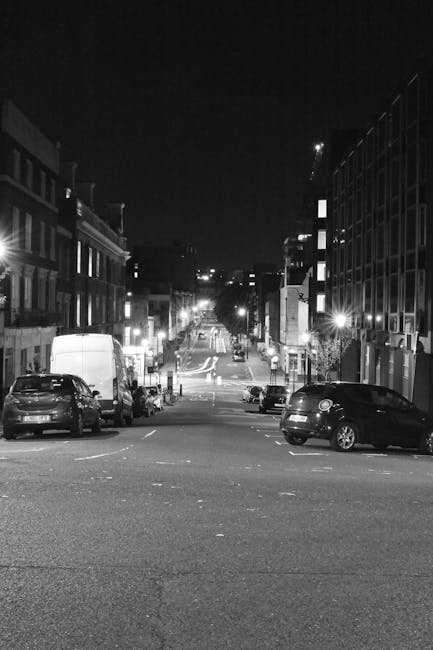
If you are planning SE3 van removals near Blackheath Station parking tips, the parking side of the move can make the whole day feel either surprisingly smooth or mildly chaotic. Blackheath Station sits in a busy part of SE3, with narrow residential streets, commuter traffic, and those awkward little moments where a van arrives and everyone suddenly realises the kerb space is not quite as generous as hoped. Been there, seen that. The good news is that a bit of planning goes a long way.
This guide breaks down how to handle parking, loading, timing, access, and van choice around Blackheath Station so you can avoid delays, reduce stress, and keep the move moving. Whether you are shifting a few heavy items, moving a flat, or coordinating a full house move, the right parking approach matters more than people often expect.
In practice, the best moves near Blackheath Station are rarely the most complicated. They are the ones where someone thought ahead about the van size, the street layout, the walking distance from the property to the vehicle, and whether a loading spot is actually realistic at the time you need it. Small detail, big difference.
Table of Contents
- Why SE3 van removals near Blackheath Station parking tips Matters
- How SE3 van removals near Blackheath Station parking tips Works
- Key Benefits and Practical Advantages
- Who This Is For and When It Makes Sense
- Step-by-Step Guidance
- Expert Tips for Better Results
- Common Mistakes to Avoid
- Tools, Resources and Recommendations
- Law, Compliance, Standards, or Best Practice
- Options, Methods, or Comparison Table
- Case Study or Real-World Example
- Practical Checklist
- Conclusion
- Frequently Asked Questions
Why SE3 van removals near Blackheath Station parking tips Matters
Parking is not just a convenience issue during a move; it can shape the whole schedule. Near Blackheath Station, where streets can tighten up quickly and traffic can bunch around peak commuting times, the wrong parking decision can add minutes, then half an hour, then a fair bit of frustration. Truth be told, most moving delays in built-up London areas start with access, not the packing itself.
For removals in SE3, parking matters because it affects four things at once: how close the van can get to your door, how safely heavy items can be carried, how long the job takes, and how much disruption you cause to neighbours and other road users. That last one is easy to overlook, but it matters. Nobody wants to become the person blocking a narrow road while a wardrobe wedges itself halfway through the doorway.
It also matters financially. If movers need to park further away than expected, the job usually takes longer. If they have to circle for space, timing becomes less predictable. And if parking turns into a scramble, the whole day starts to feel reactive instead of controlled. Not ideal, especially if you have keys to hand over, a lift booking, or a chain of other plans behind you.
The other reason this topic matters is simple: Blackheath Station attracts a mix of commuters, visitors, and local traffic throughout the day. That means parking conditions can change quickly. A spot that looks fine at 7:30am may be gone by 8:00am. So if you are arranging a van removal nearby, planning for the parking reality is just as important as choosing the right boxes or wrapping materials.
How SE3 van removals near Blackheath Station parking tips Works
The basic idea is straightforward: you line up the van, the property access, and the available space so the loading process is efficient and safe. In a dense area like SE3, that means thinking ahead about where the vehicle can stop, how long it can stay there, and whether the chosen street can handle a removal van without causing a bottleneck.
Here is how it usually works in practice. First, you assess the property location and the surrounding street layout. Then you decide whether the van can park directly outside, whether it needs to use a nearby side road, or whether a short carry from a legal parking place is the better option. After that, you match the vehicle size to the site conditions. A slightly smaller van can sometimes make a move far easier than a larger one that technically fits the cargo but not the street.
There is also the timing piece. Early morning moves can be calmer, but not always, because school runs, commuter patterns, and local deliveries can all affect the street. Midday might give you different conditions. Evening moves can work too, though lighting, fatigue, and access windows become more important. The right time depends on the route, the property, and how busy the area is on the day.
If you are comparing service styles, a flexible man with van arrangement can be useful for smaller loads or tighter access, while a more structured house removals service may suit larger jobs where planning, handling, and multiple items need more coordination. For many SE3 moves, the best option sits somewhere in the middle: practical enough for the street, robust enough for the load.
One thing people often miss is the walking route between the van and the property entrance. A short legal park is not always better than a slightly farther spot if the pavement, corner, or kerb layout makes carrying awkward. Sometimes the "best" space is the one that gives you a straight, safe line of travel. Sounds obvious, but on moving day, obvious things have a habit of disappearing.
Key Benefits and Practical Advantages
Getting the parking plan right gives you more than convenience. It gives you control. And control is what keeps a move from becoming a slog.
- Faster loading and unloading: The closer the van, the fewer steps the team needs to take with heavy boxes, furniture, and awkward items.
- Lower risk of damage: Shorter carries reduce the chance of bumping walls, doors, cars, or stair rails.
- Better schedule reliability: Fewer parking surprises mean fewer delays in the wider move plan.
- Less strain on everyone: That matters more than people think, especially if there are wardrobes, white goods, or anything heavy and bulky.
- Cleaner neighbour relations: A calm, tidy loading process tends to be much better received by the street.
There is a quieter benefit too: your day feels less frazzled. When the van is parked sensibly, the route is clear, and everyone knows what is happening next, the move tends to stay human-sized. Not perfect, but manageable. That is usually the sweet spot.
For people who are already juggling utilities, keys, handovers, and maybe a child or pet in the mix, this practical calm is worth a lot. To be fair, moving is rarely fun in the abstract. But with the right setup, it can be efficient and oddly satisfying. Like getting a very stubborn drawer to close first time.
Who This Is For and When It Makes Sense
This topic is useful for anyone moving in or around SE3, but it is especially relevant if Blackheath Station is part of the route or the property sits within walking distance of the station area. The parking pressure is more noticeable in places where footfall, commuter flow, and residential parking all overlap.
It makes sense if you are:
- moving out of a flat near the station
- moving into a terraced house with limited frontage
- collecting large furniture or appliances
- planning a same-day move with a tight timetable
- arranging a removals team for a road with limited stopping room
- trying to reduce the number of carrying trips between property and van
It is also relevant if you are comparing a self-managed move with a professional service. A lot of DIY moves fall apart not because of lifting, but because the parking plan is vague. You hire a van, recruit a friend, and then realise the only free spot is a little too far away, or the road is busier than expected. Suddenly the day feels heavier. Literally.
If you have a larger home move, a dedicated removal services approach may be more suitable than trying to improvise. If it is a smaller household move or a lighter load, a van-based option can still work very well as long as the parking logistics are thought through first.
Step-by-Step Guidance
Here is a practical way to approach SE3 van removals near Blackheath Station parking tips without overcomplicating it.
- Check the street conditions first. Look at where vehicles usually park, how wide the road feels, and whether there are corners, tight turns, or busier junctions nearby.
- Measure the load and estimate van size. Do not guess. A sofa, bed frame, or fridge can change the vehicle choice quickly.
- Decide on the closest workable stopping point. That may be directly outside, or it may be a nearby street with easier access.
- Plan for the loading route. Think about stairs, entrances, kerbs, gates, and any awkward turns.
- Confirm timing early. Parking availability can be very different at 8am compared with lunchtime or late afternoon.
- Prepare the property frontage. Move bins, mats, loose planters, bikes, and anything else that might get in the way.
- Pack by priority. Keep essentials separate so they do not end up buried under the first wave of boxes.
- Assign one person to parking and access if possible. A second pair of eyes helps when a driver needs to make a quick decision.
That sequence is simple, but it saves headaches. You do not need a perfect system. You need a sensible one.
If you are dealing with a bigger residential move, pairing the parking plan with organised home moves support can make a noticeable difference. The van arrives, the route is clear, and the team gets to work instead of improvising on the pavement.
What to think about before the van arrives
Ask yourself three questions: Can the van stop safely? Can the team carry items without blocking a busy path? Can the move happen without repeated repositioning? If the answer to any of those is no, rethink the plan before moving day.
Small adjustments matter. Moving the bed dismantling to the evening before. Clearing a hallway. Choosing a side street instead of the obvious front door spot. These little decisions can save a lot of lifting later.
Expert Tips for Better Results
In our experience, the best parking outcomes near Blackheath Station come from being slightly more conservative than you think you need to be. People often plan for ideal conditions and then meet normal London conditions instead. It happens.
Here are a few expert-level habits that help:
- Choose access over aesthetics. A slightly longer walk from a legal space is often better than a tight, risky stop right outside.
- Use a spotter if available. Someone on foot can help guide the driver into position and watch for pedestrians or cyclists.
- Keep carry routes short and clear. Fewer obstacles means fewer mistakes, especially with larger furniture.
- Think about the return trip too. If the van needs to leave and come back, parking may be different later in the day.
- Load in a smart order. Items needed first at the new place should go near the door or be kept separate.
If you are moving something awkward, like a piano, a large wardrobe, or an unusually heavy sofa, the parking plan becomes even more important. Extra weight and extra distance are not a great pairing. A better approach may be to use a team experienced with specialist handling, or at least to give the crew enough room to work without rushing.
A small, slightly nerdy tip: check the street at the same time of day you expect to move. Morning light, school traffic, delivery vans, the occasional dog walker, the familiar clang of a recycling bin lid in the distance... it all gives you a truer picture than a quick glance at noon.
Useful local-style considerations
Blackheath and the surrounding SE3 streets can feel deceptively open in one moment and surprisingly tight in the next. A road may look manageable until a parked car, a low wall, or a sharp bend narrows the real usable space. So it helps to treat every route as a working route, not a theoretical one.
If you are booking help for a smaller household move, a man and van removals service can be a sensible middle ground: enough muscle and vehicle capacity for the job, without the overhead of a larger operation when you simply do not need it.
Common Mistakes to Avoid
There are a few classic slip-ups that cause unnecessary stress. Most are easy to avoid once you know what to look for.
- Assuming the nearest space will still be free. In busy parts of SE3, that is wishful thinking. Nice if it happens, not wise to rely on it.
- Choosing a van that is too large for the street. Bigger is not always better if it creates loading problems.
- Ignoring walking distance. A legal space three minutes away can be slower overall than a slightly closer, safer one.
- Not checking for event or commuter pressure. Station-adjacent parking conditions can change by the hour.
- Leaving bins, bikes, or clutter in the access route. It seems minor until the first mattress corners the doorway.
- Failing to brief everyone involved. If the driver, helper, and household are all guessing, things get messy quickly.
Another common issue is overpacking the van without considering order. If the first item in ends up being the last item needed out, you lose time at both ends. That is one of those mistakes that feels small in the moment and annoying all day long.
And yes, we have all done some version of it. Moving can turn even sensible people into clipboard-free optimists. It is fine. Just reset and plan better next time.
Tools, Resources and Recommendations
You do not need a mountain of equipment to manage parking for a Blackheath Station move, but a few tools make life easier. The goal is to reduce guesswork and keep the loading area tidy.
- Measuring tape: Useful for checking furniture dimensions, doorway widths, and the van space you actually need.
- Box labels: Essential if you want to load and unload in the right order without rummaging.
- Furniture blankets and straps: They help protect items during short carries and tighter loading.
- Phone with navigation and notes: Handy for timing, road checks, and quick communication with the team.
- Bright gloves and sensible footwear: A small thing, but it matters when you are carrying items across uneven pavement or a slightly damp kerb.
- Floor protection materials: Good if you are loading through a hall, stairwell, or shared entrance.
If you need help with larger item movement, it can also be worth looking at a dedicated moving van option or a broader man and van service depending on load size. The point is not to buy more service than you need; it is to match the vehicle and support to the street conditions.
For customers comparing moving budgets, the page on pricing and quotes can be a useful place to understand how move complexity, timing, and access may affect the final plan. Parking is one of those hidden variables that can change a quote or a schedule, so it is worth being upfront about it.
Law, Compliance, Standards, or Best Practice
Parking near a station area is not just a convenience issue; it is also about respecting local rules, keeping access safe, and avoiding unnecessary disruption. Without getting overly legal about it, the safest approach is to follow the parking restrictions that apply to the street, any marked loading bays, and any local signage in place on the day.
If you are arranging a removal in London, it is wise to assume that permit requirements, time restrictions, or suspension notices may affect where a van can stop. That is particularly true around busier residential roads and near stations, where loading arrangements can change. Always check the situation carefully rather than relying on memory from a previous move. Streets have a funny way of changing exactly when you wish they would not.
From a best-practice point of view, a good removal setup should:
- avoid blocking driveways or emergency access
- keep pavements and crossings as clear as possible
- use safe lifting methods for heavy items
- respect neighbours and shared access areas
- keep the team informed about any hazards, stairs, or fragile surfaces
For background on how a professional provider approaches risk, safety, and customer care, the health and safety policy and insurance and safety pages are useful references. They help set expectations around safe handling and responsible working practices.
If you are dealing with waste after a move, or planning to clear items at the same time, take care not to dump or leave bulky waste in the wrong place. That is where a separate plan matters. If needed, use proper disposal routes and avoid assuming the move crew will magically solve every leftover item. Helpful, yes. Magicians, no.
Options, Methods, or Comparison Table
There is more than one way to handle van parking near Blackheath Station, and the best choice depends on the property, the load, and the time of day. Here is a practical comparison.
| Method | Best for | Pros | Watch-outs |
|---|---|---|---|
| Park directly outside | Small to medium moves with clear frontage | Shortest carry, fastest loading, easiest coordination | May not be available during busy periods |
| Use a nearby side street | Tight station-adjacent roads or limited frontage | Often easier to park and manoeuvre | Longer carry, more walking, need clear route planning |
| Use a smaller van | Narrow access or restricted stopping space | More flexible, easier to position | May require more trips if the load is large |
| Book a more organised removals service | Larger homes or complex jobs | Better planning, handling, and coordination | May cost more than a simple van hire |
In plain English: if the street is awkward, a smaller van or a more coordinated service can save time. If the move is large, a bit more structure usually pays for itself in reduced stress. There is no one-size-fits-all answer, even if websites sometimes pretend there is.
If you are shifting business items or equipment, the right choice may be closer to commercial moves or office removals planning, where parking, access windows, and load order matter just as much as they do for homes. Offices are often fussier, if we are honest.
Case Study or Real-World Example
Here is a realistic example from a typical SE3-style move near Blackheath Station. A couple moving from a first-floor flat had a sofa, a bed, three storage boxes of books, a table, and a few smaller bags. On paper, it looked simple. In reality, the street outside the property was busy enough that parking directly at the entrance would have been a gamble.
Instead of trying to force a perfect curbside stop, they used a nearby side street with more predictable space. That meant a slightly longer carry, but the route was straighter and safer. A friend acted as a spotter while the van reversed into position. The items were loaded in order of weight and unload priority, with the bed frame and mattress placed for easy access at the new place.
The result? Less waiting, fewer awkward manoeuvres, and no one had to stand in the road wondering whether a passing car would squeeze through. Not glamorous, but effective. The couple said the best decision they made was not chasing the nearest spot. Fair enough.
In another small job, a resident moving several heavy items used a furniture pick up style collection to keep the process short and direct. When you only need a few items moved, the parking plan can be simpler, but it still helps to think ahead about access, stairs, and the exact stopping point.
Practical Checklist
Use this before the van arrives. It is simple, but it saves a lot of last-minute noise.
- Confirm the move time and likely traffic conditions
- Check whether parking restrictions apply near the property
- Decide on the best legal stopping point
- Measure large furniture and doorways
- Clear hallways, steps, and entrances
- Label priority boxes clearly
- Set aside essentials for first access at the new property
- Protect fragile items with blankets or wrapping
- Keep keys, phones, and payment details ready
- Brief helpers on where to stand and how to guide the van
- Have a backup plan if the nearest space is occupied
- Double-check whether any street works, suspensions, or local changes could affect access
If your move involves a lot of sorting and decluttering beforehand, it can also help to read about decluttering before your big move. Less clutter usually means fewer van loads, and fewer van loads usually mean less parking stress. Simple maths, really.
Expert summary: The best SE3 van removals near Blackheath Station parking tips are the practical ones. Plan the stopping point, choose the right-sized vehicle, keep the route clear, and do not bet the whole day on a single perfect parking space. That alone solves a lot.
Conclusion
Parking near Blackheath Station does not have to derail your move. If you treat it as part of the move plan, rather than a small detail to sort on the fly, you give yourself a much better chance of a calm, efficient day. That is the real win here: less back-and-forth, less heavy carrying, and fewer surprises when the van turns up and the street is busier than expected.
Whether you are managing a small flat move, a larger house relocation, or a one-off furniture collection, the same principle applies. Think through the access, choose the most workable stopping point, and match the service to the street. It is one of those things that feels a bit tedious for five minutes, then saves you hours later.
Get a free quote today and see how much you can save.
And if you are still weighing up your options, take it one step at a time. A good move in SE3 is rarely about luck. It is about planning well, staying flexible, and keeping the day steady enough to breathe through.
Frequently Asked Questions
What is the best parking strategy for van removals near Blackheath Station?
The best strategy is to plan for the most realistic legal stopping point, not the ideal one. Check the street early, think about walking distance, and choose the spot that gives the safest and clearest loading route.
Do I need to book a smaller van for streets near Blackheath Station?
Sometimes, yes. If the road is narrow or parking is tight, a smaller van may be easier to position and safer to load. A larger van is not always the better option if it cannot stop sensibly near the property.
How early should I check parking before moving day?
As early as possible, ideally before you confirm the move time. If you can, check the street at the same time of day your move is planned. That gives a much better sense of what you will face.
What if there is no space directly outside the property?
Use the nearest legal alternative that still allows a safe carry route. A nearby side street, loading area, or slightly longer walk may work better than waiting for a perfect spot that never opens up.
Are loading bays always available for removals near station areas?
No, and that is the trap. Loading bays can be occupied, restricted, or limited by timing. Never assume one will be free without checking the actual conditions on the day.
How do I reduce the time the van needs to stay parked?
Pack in an organised order, clear the route in advance, label boxes clearly, and keep bulky items ready to go. The less searching and reshuffling the team has to do, the quicker the stop tends to be.
Can I leave a van parked while I finish packing?
Only if the parking is legal and the timing works. In practice, it is better to finish as much preparation as possible before the van arrives. That way, the vehicle is used for loading, not waiting.
What should I tell the removals team about access?
Tell them about stairs, tight corners, narrow entrances, shared hallways, and anything that affects parking or carrying distance. The more accurate the information, the easier it is for them to plan.
Is it worth using a removals service for a small move near Blackheath Station?
Yes, if access is tight or the items are heavy. Even a small move can become tiring if parking is awkward or the carry distance is longer than expected. A small service can still save a lot of effort.
What are the most common parking mistakes people make on moving day?
The biggest ones are assuming the nearest space will be free, choosing a van that is too big for the street, and not clearing the loading route. Those three alone cause a surprising amount of stress.
How do I know whether I need full house removals or a man and van service?
If you have a larger property, multiple heavy items, or a complicated access route, full removals may suit you better. If the load is smaller and the job is straightforward, a man and van setup is often more practical.
Can parking issues affect my moving quote?
They can, because they may affect the time, vehicle choice, and overall complexity of the job. It is best to describe the street conditions clearly when asking for pricing so you get a more realistic quote.